01Completed
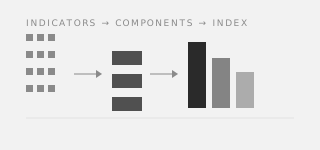
Financial Inclusion Index for the MENA Region
A composite index measuring depth, accessibility, and usage of financial services, extended with digital payment, card, borrower, and saver indicators.
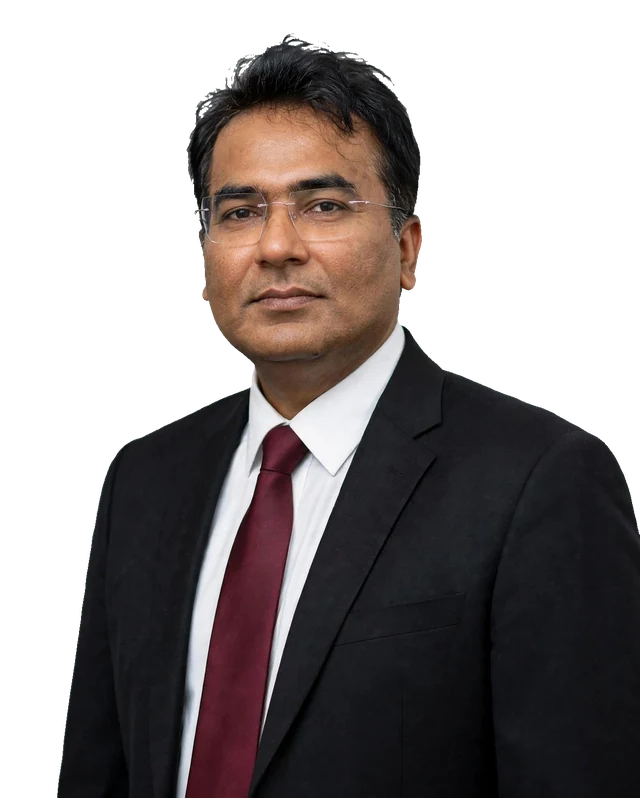
Welcome to ahsanaslam.com, where economics meets impact. I'm Dr. Ahsan Aslam Khan, an economist and research strategist driven by a deep curiosity about how markets, governance, and sustainability intersect especially in the context of developing economies.
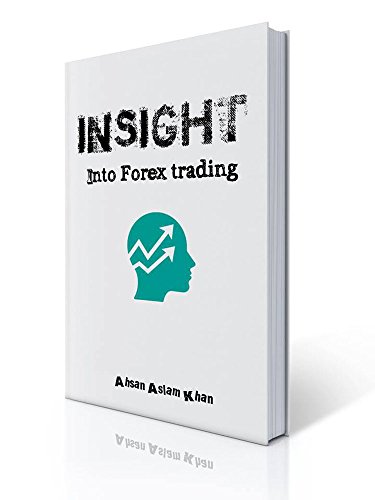
What started as a passion for trading led me to author two books, "Insight into Forex Trading" and "Candlestick Analysis," laying the foundation for a more analytical journey into macroeconomic trends, financial systems, and policy design.
Today, my work spans from financial inclusion and economic governance to current explorations in green finance and ESG integration in Pakistan, aiming to spark more resilient, inclusive, and sustainable financial ecosystems. Through this platform, you'll find a mix of my peer-reviewed publications, real-time commentary on global economic shifts, and research projects designed to bridge the gap between data and development.
 0009-0008-1290-4353
 Ahsan Aslam Khan
 Dr. Ahsan Aslam Khan
 @ahsanaslamkhan
A trade agreement's headline is a tariff cut. Whether an exporter ever receives it is settled by the tariff line, the origin rule and the paperwork behind it.
Three forces move emerging markets: the price of global money, the risk premium, and the direction of capital. The category itself is an accessibility judgement by index providers, not a development tier.
The Fed sets the price of dollars, and every emerging market pays it. But the channel that actually moves the rupee is not the one most commentary names.
A composite index measuring depth, accessibility, and usage of financial services, extended with digital payment, card, borrower, and saver indicators.
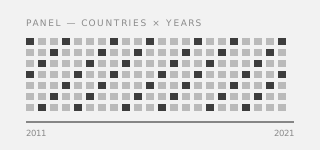
Cross-country measurement of financial reachability and its interaction with remittances, human capital, and governance quality.
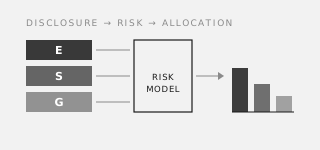
Building a framework for ESG integration and green finance instruments in Pakistan's banking sector, aimed at a more resilient and sustainable financial ecosystem.

Pakistan now has a green taxonomy, a green banking regime, a sovereign sukuk framework and an order adopting the ISSB standards. It also has, on the regulator's own count, one corporate green bond. The gap between the rulebook and the capital is the subject.
The political economy of Pakistan is not an analytical puzzle: the diagnosis has been agreed for decades. What changes is who has to pay — and the IMF's own record of what was agreed against what was drawn shows exactly where reform stops.
Pakistan exported US$30.1bn and imported US$69.8bn of goods in FY2025-26. Where the deficit comes from, how tariff walls shape it, and what to watch next.